
MARKET ALIGNED AND BIPARTISAN



Proposal Would Give Communities ‘Data Center Dividends’
A new proposal would return some of the property tax revenue generated by AI data centers directly to households in the communities that host them. Supporters say it could give residents a material stake in the AI economy.
The idea reflects a larger question: who should benefit from the AI boom? An AI Dividend Trust Fund applies that same principle more broadly, giving Americans a stake in AI-driven growth.

White-Collar Workers Could Benefit Most From AI
Morgan Stanley says white-collar workers may be among the biggest beneficiaries of AI, despite fears that office jobs are especially vulnerable to automation. The technology could reshape these roles while making workers more productive.
As AI creates new economic value, an AI Dividend Trust Fund could help ensure those gains reach Americans across the workforce.
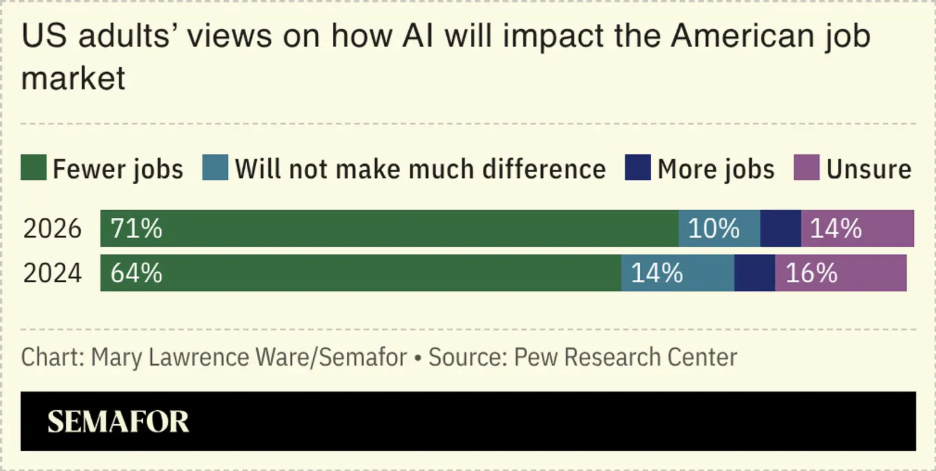
Driving U.S. Job Losses
Despite concerns about AI replacing workers, the latest U.S. employment figures show no surge in AI-driven job losses. The Economist estimates AI has created 1 million new U.S. jobs, while some analysts say it could ultimately create as many jobs as it eliminates.
AI’s impact on work is still unfolding. An AI Dividend Trust Fund could ensure Americans share in the economic growth AI creates as the workforce evolves.

Billion Robots Could Outproduce Humanity
Elon Musk predicts AI and humanoid robots could dramatically expand the global economy while reducing the need for human labor. He estimates digital AI alone could increase the global economy by 20% to 30%.
Musk says that future could require a “universal high income.” An AI Dividend Trust Fund offers a way for Americans to share in the economic value AI and automation create.
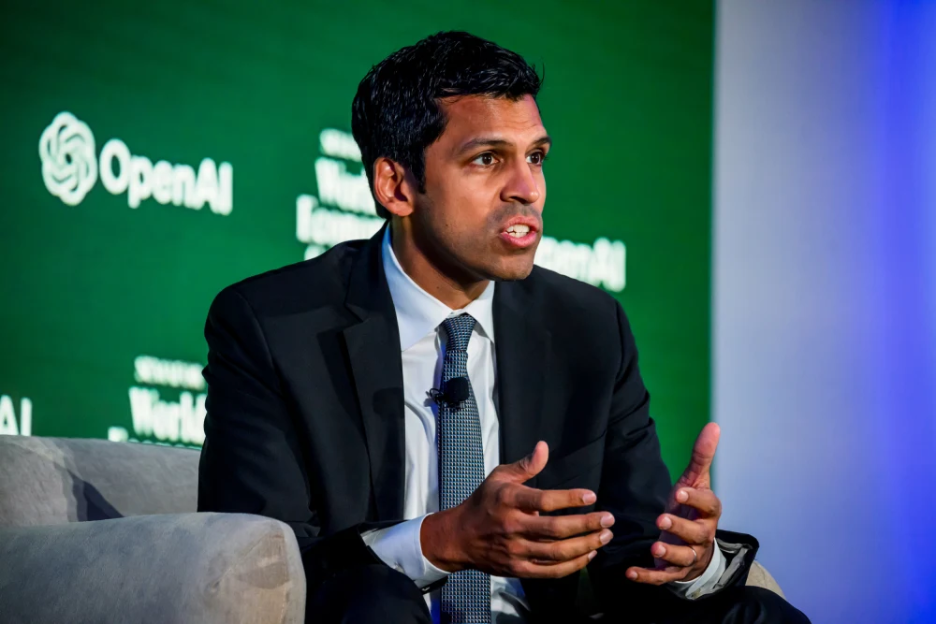
OpenAI Economist Sees ‘Care Economy’ Jobs Growing in AI Age
Artificial intelligence is already changing what workers do, even if its effects are not yet showing up clearly in unemployment numbers. OpenAI Chief Economist Ronnie Chatterji says workers are taking on tasks that once required other roles, while jobs centered on human interaction, including the “care economy,” could see growing demand as AI changes the workforce. He expects AI's broader productivity effects to become more visible in economic data over the next 18 to 24 months.
The shift shows why AI's impact on work is unlikely to be as simple as jobs gained or jobs lost. As the economy adjusts, an AI Dividend Trust Fund could give Americans another way to participate in the economic value AI creates.

Bill Gates Warns AI Could Destroy Jobs Within a Decade
Bill Gates is warning that the world is not prepared for how quickly AI could reshape the workforce. He argues that entry- and mid-level jobs could be hit first as AI becomes capable of replacing more human thinking, with blue-collar work facing similar pressure as robotics advances.
Gates put the stakes plainly: “AI will either be the greatest equalizer ever invented, or the worst source of injustice.” If AI creates enormous new wealth while reducing opportunities for work, Americans need a way to participate in that growth. An AI Dividend Trust Fund could help ensure the economic value AI creates is shared more broadly.
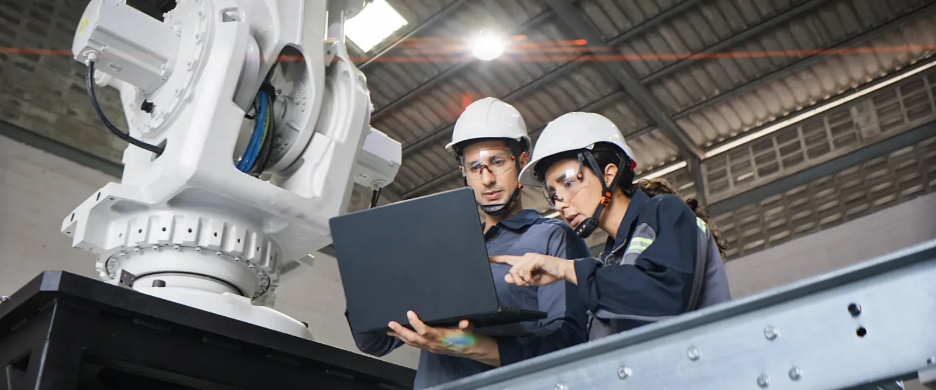
AI Is Reaching the Office Faster Than the Frontline
AI adoption is accelerating, but its benefits are not reaching every worker equally. Forbes reports that information workers make up about 44% of the U.S. workforce, while many frontline workers still lack access to AI tools and training. Just 6% of organizations surveyed said AI transformation is well integrated into frontline work.
That gap matters. AI could make work more productive and create significant new economic value, but access to those tools will not be equal across every job or industry.
An AI Dividend Trust Fund offers another way for Americans to participate in that growth, including workers who may never use AI as part of their daily jobs.

AI creates a workforce dividend. Invest it for growth.
PwC is calling the value created by AI a “workforce dividend.” As AI increases productivity, it frees up human capacity and creates resources that companies can reinvest in new products, markets, workers, and growth.
The question is what happens to that value. PwC argues businesses should reinvest the dividend rather than simply turn AI efficiencies into cost savings. We think that conversation should go one step further. If AI creates a new economic dividend, Americans should have a stake in it too.
An AI Dividend Trust Fund can help turn the growth created by AI into an asset that benefits the people helping build the American economy.

With A.I. Riches at Stake, Pressures Mount to Share the Wealth
The New York Times looks at the growing debate over how the wealth generated by AI should be shared. That conversation matters because the rules we establish now could shape who benefits from this technology for decades.
AI has the potential to create enormous new wealth. An AI Dividend Trust Fund could give every American an opportunity to share in that growth and ensure the benefits of innovation extend beyond the companies and investors at the center of it.
As investment in AI grows, so does the need to think about who participates in its economic upside. The decisions being made today could determine whether that prosperity is concentrated at the top or shared more broadly.

‘Godfather of AI’ says billionaires like Elon Musk are right about the future of work—but he predicts mass unemployment is on its way
Artificial intelligence could dramatically change how much we work—or whether some jobs exist at all. While tech leaders like Jensen Huang, Bill Gates, and Elon Musk envision a future where AI reduces the need for human labor, Geoffrey Hinton is warning that the transition could also bring widespread unemployment.
No one knows exactly which version of the future will unfold. But the range of predictions makes one thing clear: the way Americans work and earn is changing. We have an opportunity now to think seriously about how our economic systems should evolve alongside it.
AI Transformation Likely to Accelerate as Companies Shift From Adoption to Enterprise-Wide Value Creation
Most companies are still in the early stages of putting AI to work. New McKinsey research finds that only 11% of surveyed leaders say their organizations have reached the “reinvention” stage, where AI is used to redesign workflows, roles and operating models. The research suggests the biggest opportunity may still be ahead as businesses move beyond individual productivity gains and begin using AI to create value across entire organizations.
As AI becomes more deeply integrated into the economy and generates new productivity and growth, Americans should have the opportunity to share in that success. An AI Dividend Trust Fund could help connect the economic value created by AI to a financial benefit for every American.
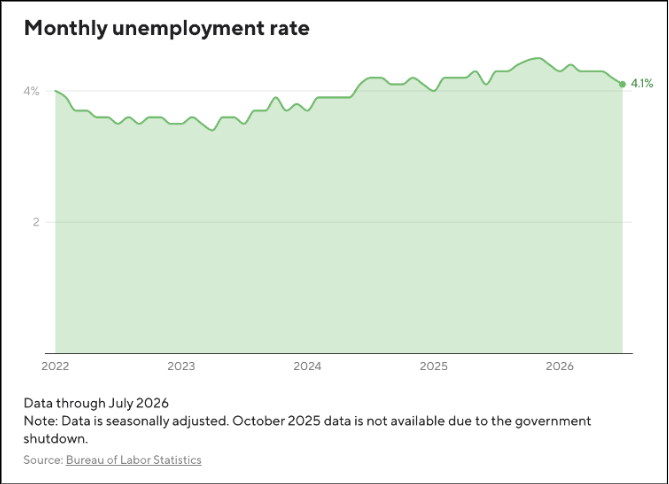
Job Cuts Plunge to a 2-Year Low Despite AI Fears, Economic Shocks
The broader U.S. labor market remains resilient, but AI is beginning to leave a more visible mark on certain workers. According to new data highlighted by CBS News, AI was the leading cited cause of layoffs for the fifth straight month, accounting for 33% of announced job cuts in July. Entry-level corporate opportunities are also tightening, with job listings for recent graduates down 15%.
AI's impact on work may not happen all at once or affect every industry equally. An AI Dividend Trust Fund could provide Americans with a financial safety net as the economy changes, helping ensure workers have greater security through periods of transition.
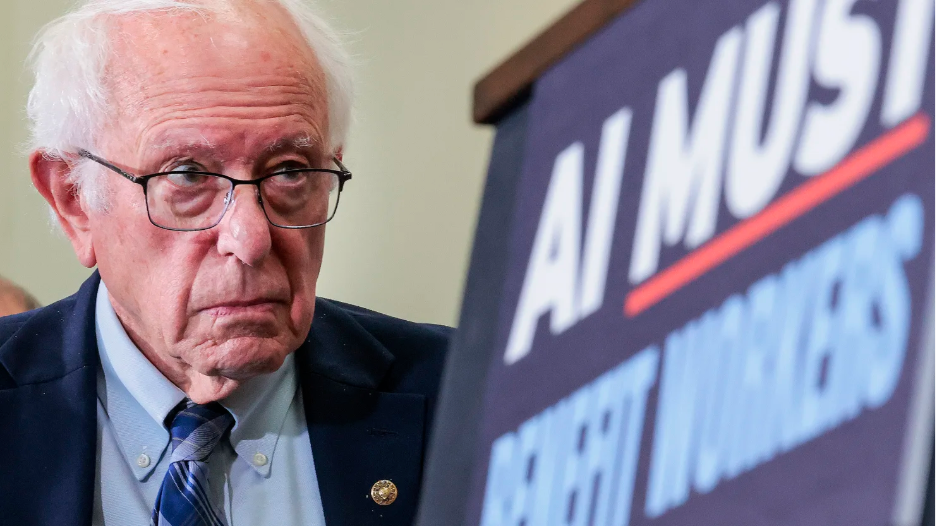
How AI Wealth Could Be Distributed to All Americans
Artificial intelligence is creating enormous economic value, and more leaders are asking who should benefit from that growth. A recent CNBC article highlights a growing debate over what should happen to the wealth AI creates. Ideas range from AI dividend funds to public investment funds, but they all point to the same question: should the benefits of AI go only to shareholders, or should every American have the opportunity to share in its success?
As AI drives productivity and economic growth, every American should have the opportunity to share in that success. An AI Dividend Trust Fund could provide a market-based way to help Americans benefit from the economic value AI creates while supporting workers and communities through periods of economic transition.

Chime Cuts Workforce as AI Reshapes the Workplace
Artificial intelligence is changing how companies operate, and that is beginning to reshape the workforce. A recent Banking Dive article reports that fintech company Chime is reducing its workforce by 10% as it restructures around AI, smaller teams, and higher productivity. While AI creates new opportunities for businesses, it is also changing the skills companies need and how work gets done.
AI continues to drive productivity and economic growth. Americans should have the opportunity to benefit from that success. An AI Dividend Trust Fund could provide a financial safety net during workforce transitions while ensuring every American shares in the economic value AI creates.

Anthropic’s head of economics just explained why we haven’t seen a white-collar bloodbath — yet
Artificial intelligence is changing how work gets done, but its impact on the labor market may be unfolding more gradually than many expected. A recent Fortune article highlights new research from Anthropic showing that AI has not yet caused a significant rise in unemployment, even in occupations most exposed to automation. While hiring has begun to soften for some entry-level roles, researchers believe there is still time to prepare workers and develop policies that support a changing economy.
The absence of widespread job losses doesn't mean planning can wait. As AI continues driving productivity and economic growth, an AI Dividend Trust Fund could provide Americans with a financial safety net during workforce transitions while ensuring everyone has the opportunity to benefit from the economic value AI creates.
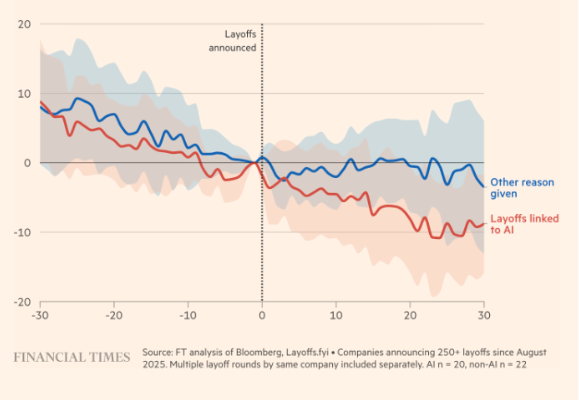
Investment spree is reshaping Silicon Valley while wider US jobs market holds steady
Artificial intelligence is driving unprecedented investment across the technology industry, but it is also reshaping the workforce. A recent Financial Times analysis found that U.S. tech companies have eliminated nearly 140,000 jobs since the start of 2026 while investing hundreds of billions of dollars in AI infrastructure. Although the broader labor market remains resilient, the report highlights how businesses are reallocating resources as AI becomes a larger part of their long-term strategy.
As AI transforms the economy, it's important that Americans can benefit from the wealth this technology creates. An AI Dividend Trust Fund could provide a financial safety net during workforce transitions while ensuring every American shares in the economic growth driven by AI.

AI Should Give Rise to an Ownership Economy
Artificial intelligence is creating new forms of wealth, but many experts believe more Americans should have the opportunity to benefit from that growth. A recent TIME article argues that as AI transforms the economy, expanding ownership and economic participation should become a national priority. From employee ownership to public investment funds, business leaders and policymakers are exploring ways to ensure the gains created by AI reach more than just a small group of investors.
As AI drives productivity and economic growth, Americans should have the opportunity to share in that success. An AI Dividend Trust Fund could provide a financial safety net during workforce transition while ensuring the economic value created by AI benefits every American.

We Returned From China. We Realized Our Century’s Biggest Challenge.
Artificial intelligence has the potential to drive economic growth and improve lives, but it also raises important questions about jobs, public trust, and economic stability. In a recent New York Times opinion piece, former Google CEO Eric Schmidt and technology analyst Selina Xu argue that the future of AI depends on finding the right balance between innovation and responsible policymaking. They note that while AI offers tremendous opportunity, societies must also address concerns about workforce disruption and ensure the benefits of AI are broadly shared.
As AI continues reshaping the economy, policymakers have an opportunity to create a framework that encourages innovation while helping Americans benefit from AI's growth. An AI Dividend Trust Fund could provide a financial safety net during workforce transitions while ensuring the economic gains created by AI are shared more broadly.

5 Investments to Close the Gap Between AI Wealth and Welfare
As AI advances, governments and societies have a responsibility to ensure its economic gains are shared. A recent MIT Sloan article argues that artificial intelligence alone won't create widespread prosperity. Instead, investments in workforce development, education, infrastructure, and public policy will determine whether AI's benefits reach everyone or become concentrated among a few. The decisions made today will help shape how AI impacts workers and communities for years to come.
Todays's conversations continue to circle back to an important question facing policymakers and business leaders alike: who should benefit from the growth created by artificial intelligence? Universal Income offers one potential path to help ensure Americans remain connected to the economic value generated through technological innovation and long-term productivity gains.
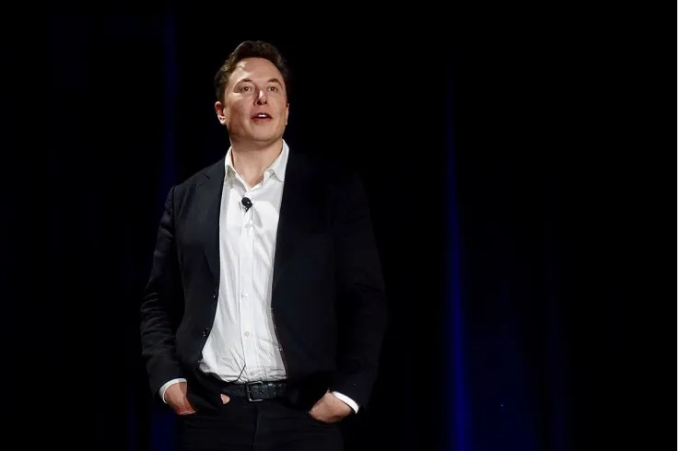
'There Will Be Revolution First': Michael Burry Clashes With Elon Musk Over Wild 'Universal High Income' AI Plan
Artificial intelligence is fueling a growing debate about what happens if technology changes the workforce faster than society can adapt. In a recent International Business Times article, Elon Musk argued that AI could eventually create enough economic abundance to support a universal high income, while investor Michael Burry warned the transition could bring significant disruption before those benefits are realized. The discussion reflects growing concern over how AI will affect workers, communities, and the broader economy.
As AI continues reshaping the workforce, conversations about economic stability are becoming increasingly important. Universal Income would help provide long-term financial security while ensuring Americans continue benefiting from the economic value created through innovation and productivity growth.