
MARKET ALIGNED AND BIPARTISAN



AI Could Replace Millions of Jobs. Here Are Some Proposed Solutions.
Artificial intelligence is expected to transform the workforce, and the conversation is beginning to shift from predicting disruption to preparing for it. In a recent Built In article, researchers, AI companies, and policymakers outline proposals to help workers adapt, including better workforce data, retraining programs, and new ways for Americans to share in the economic gains created by AI. The discussion reflects growing recognition that preparing for the future of work will require practical solutions.
The conversation reflects a broader question facing policymakers and business leaders alike: who should benefit from the growth created by artificial intelligence? Universal Income offers one potential path to help ensure Americans remain connected to the economic value generated through technological innovation and long-term productivity gains.
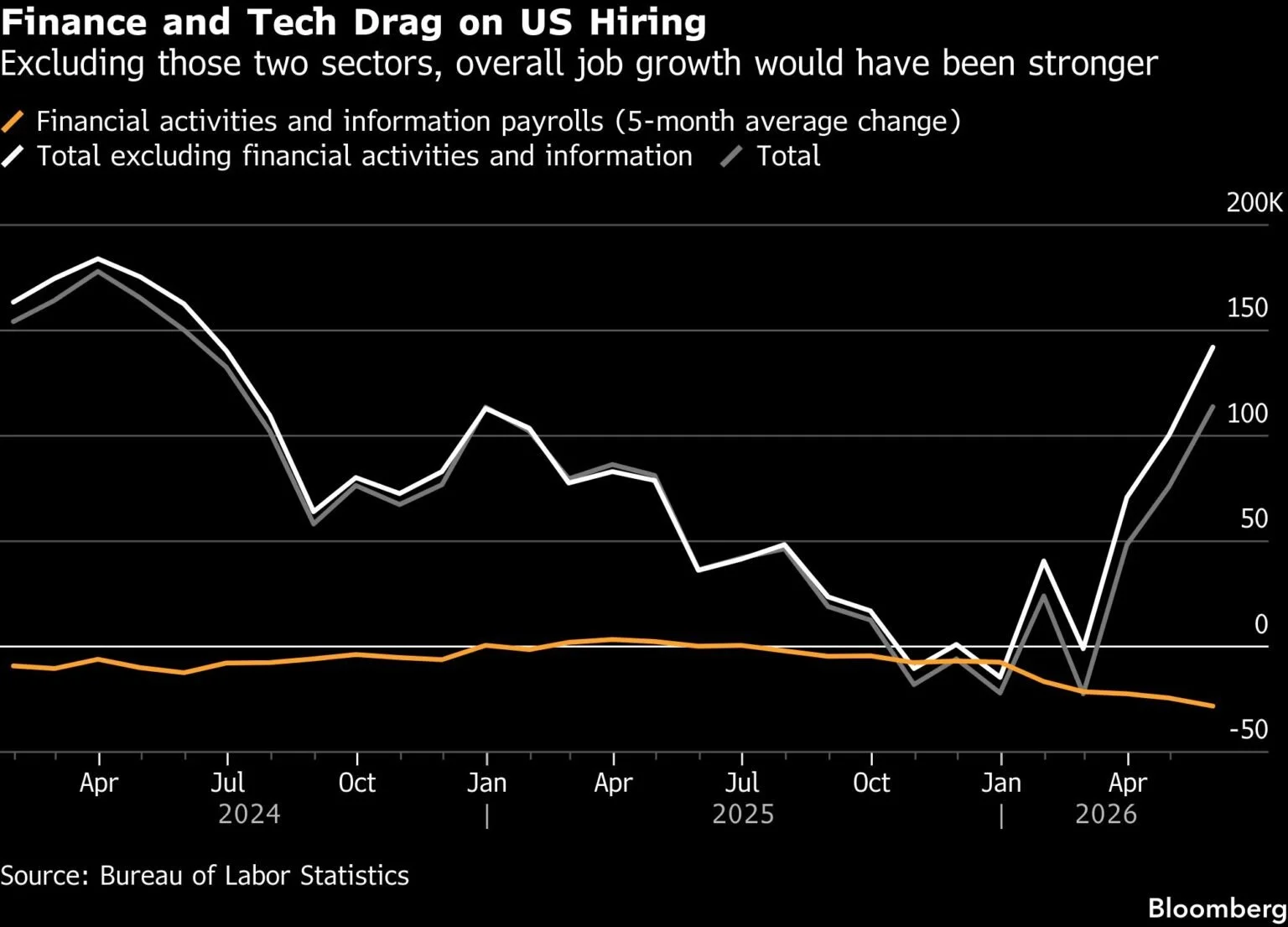
Tech and Finance Sectors Losing 28,000 Jobs Monthly Show AI Impact on Labor
Artificial intelligence is beginning to leave a measurable mark on the labor market. A recent Bloomberg report found that employment in the technology and financial sectors has declined by an average of 28,000 jobs each month this year as companies invest more heavily in AI. While economists continue to debate AI's long-term impact on employment, many business leaders acknowledge the technology is already changing how companies hire and where they invest.
As AI continues reshaping the workforce, conversations about economic stability and workforce transition are becoming increasingly important. Universal Income would help provide long-term financial stability while ensuring Americans continue benefiting from the economic value created through innovation and productivity growth.

Mark Cuban said AI firms should spend billions to help cities hit by job losses as a 'cost of doing business'
Artificial intelligence is creating new economic opportunities, but it is also raising questions about how those benefits should be shared. In a recent Business Insider article, entrepreneur Mark Cuban argues that AI companies should invest in the towns and cities most affected by AI-driven job losses. One of the country's most recognizable business leaders is publicly acknowledging that AI companies have a responsibility to help the communities and workers affected by AI as the technology continues transforming the economy.
The conversation reflects a broader question facing policymakers and business leaders alike: who should benefit from the growth created by artificial intelligence? Universal Income offers one potential path to help ensure Americans remain connected to the economic value generated through technological innovation and long-term productivity gains.

AI Cost 21,000 Jobs At Oracle This Year—And More Layoffs Could Be Coming
Artificial intelligence is beginning to reshape workforces across the technology industry. In a recent Forbes article, Oracle disclosed that it reduced its workforce by 21,000 employees over the past year, citing the adoption of AI technologies as part of its restructuring efforts. The report also notes that other major companies are making similar investments in AI while changing the types of jobs they hire for. As businesses continue adopting AI, the workforce is expected to keep evolving.
As AI changes how companies operate, conversations about workforce transition are becoming increasingly important. Universal Income would help provide long-term financial stability while ensuring Americans continue benefiting from the economic value created through innovation and productivity growth.
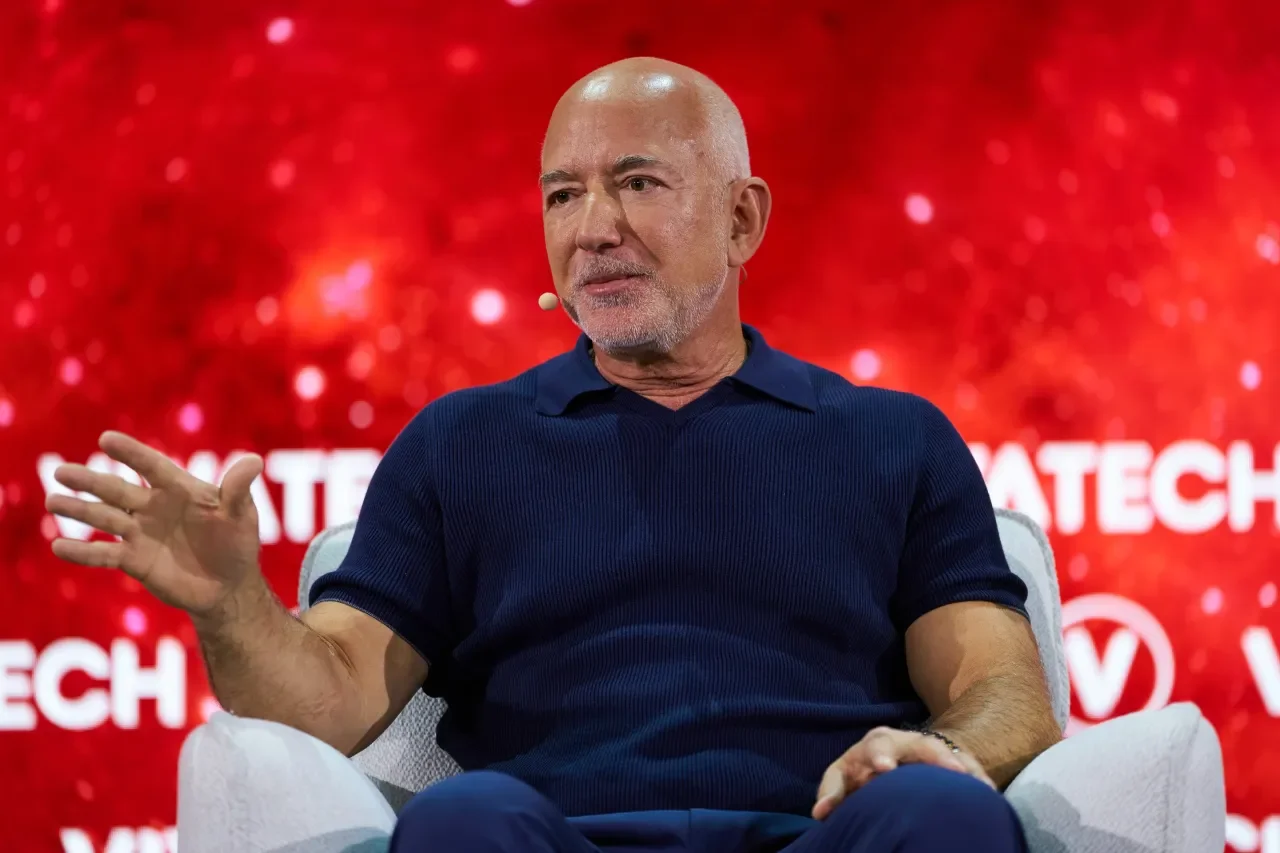
‘AI is going to create a labor shortage’: Jeff Bezos sees more jobs being created in the new economy, not less
Artificial intelligence is expected to change many jobs, but some leaders believe it will also create new opportunities. In a recent Fortune article, Jeff Bezos argues that AI will increase productivity and help create new industries that require more workers, not fewer. He suggests businesses may eventually face labor shortages as demand grows for employees who can support an expanding AI-driven economy. As AI creates new wealth and economic growth, policymakers are increasingly discussing how Americans can share in those benefits. Universal Income offers one potential path to help ensure workers remain connected to the value created through technological innovation and long-term prosperity.

AI Layoffs Are Here, But They Don’t Mean What You Think
Artificial intelligence is beginning to affect hiring and staffing decisions across the economy. In a recent Forbes article, Bernard Marr explains that while some companies are reducing jobs because of AI, the bigger story is how quickly work itself is changing. Many employers are shifting toward new skills and new roles as AI becomes part of everyday business operations. The result may not be fewer jobs overall, but a workforce that looks very different than it does today.
As AI continues changing the labor market, workers will need support during periods of transition. Universal Income would help provide long-term financial stability while ensuring Americans continue benefiting from the economic value created through innovation and productivity growth.

Anthropic pledges $200 million to research AI’s economic impact as CEO suggests job loss solutions
Anthropic CEO Dario Amodei is calling for a national conversation about how Americans can benefit from the economic value created by artificial intelligence. In a recent Associated Press article, Amodei announced a major research initiative focused on AI's long-term impact on jobs, wages, and economic opportunity, while also discussing policy ideas such as Universal Basic Income and public investment funds. As AI continues reshaping industries across the economy, leaders within the technology sector are increasingly acknowledging the need for solutions that help workers navigate that transition.
The conversation reflects a broader question facing policymakers and business leaders alike: who should benefit from the growth created by AI? Universal Income offers one potential path to help ensure Americans remain connected to the economic value generated through technological innovation and long-term productivity gains.

Could Americans Build Wealth Through AI? Why Trump May Be Considering Equity-Sharing Scheme
Universal Basic Capital: Why Both Trump and Bernie Sanders Want to Give Americans AI Equity highlights a growing bipartisan conversation about who should benefit from the economic value created by artificial intelligence. In a recent Forbes article, Alison Durkee explores proposals that would allow Americans to share in AI-generated wealth through equity ownership and public investment funds. As technology continues reshaping the economy, policymakers across the political spectrum are beginning to consider new ways of connecting the public to future economic growth.
As AI increases productivity and transforms industries, conversations about economic participation and financial stability are becoming increasingly important. Universal Income offers one potential path to help ensure Americans continue benefiting from the value created through technological innovation and long-term economic growth.

Big Tech is laying off developers. My company just hired its first. We’re both right about AI
Artificial intelligence is changing how companies hire, invest, and build products. In a recent Fortune article, Rob Collie, CEO of P3 Adaptive and a former Microsoft engineer, argues that while some technology companies are reducing engineering headcount, other businesses are hiring developers for the first time as AI makes software development more accessible. The result may not be fewer jobs overall, but a workforce that looks very different than it does today.
As technology continues reshaping industries, workforce transition is becoming one of the defining economic challenges of the future. Universal Income would help provide long term financial stability while ensuring workers continue benefiting from the economic value created through innovation and productivity growth.

Governor Newsom signs first-of-its-kind executive order to prepare workers and businesses for potential AI disruption
California is preparing workers and businesses for the growing impact artificial intelligence could have on the workforce and broader economy. Governor Gavin Newsom recently signed an executive order focused on studying potential job disruption, workforce adaptation, and the long term effects of AI across industries. The order reflects a growing recognition among policymakers that technological change is accelerating and that states will need strategies to provide a stronger economic safety net during workforce disruption
As automation and artificial intelligence continue reshaping industries, conversations around long term economic stability are becoming increasingly important. Universal Income would help workers remain financially stable through workforce disruption while ensuring Americans continue benefiting from the economic value created through technological progress.

Meta layoffs starting this week stress harsh AI reality inside Zuckerberg’s company
Meta is laying off roughly 10% of its workforce while continuing to expand investments in artificial intelligence infrastructure and development. According to CNBC, the reductions are expected to impact around 8,000 employees, with additional layoffs potentially planned later this year as the company restructures around efficiency and long term AI growth. Employees across the tech sector are facing growing uncertainty as companies increasingly reorganize operations around automation and artificial intelligence.
The layoffs reflect a broader shift taking place throughout the economy, where advances in technology are allowing companies to increase productivity with fewer workers. Universal Income would provide stability through that transition while helping ensure Americans continue to benefit from the long term economic value created through technological progress.

Coinbase Cuts 14% of Jobs Amid AI Disruption
Coinbase is laying off roughly 14% of its workforce as artificial intelligence changes how work is done across the tech and crypto sectors. According to Gizmodo, CEO Brian Armstrong cited the company’s expanding use of AI tools as reasons behind the cuts, saying AI has accelerated workflows that once required far larger teams. Workers who helped grow these companies are increasingly being left out of the value those systems continue to generate.
The layoffs reflect a broader shift across the economy, where AI-driven efficiency is allowing companies to do more with fewer people. Universal Income would keep people financially stable through that transition, while making sure Americans continue to benefit from the economic value their work helped create.

Meta Cuts 10% of Jobs as AI Drives Efficiency
Meta is laying off 10% of its workforce as artificial intelligence reshapes how work gets done. In coverage from The New York Times, company leadership acknowledged the trade-offs behind these decisions: “This is not an easy trade-off and it will mean letting go of people who have made meaningful contributions to Meta during their time here.” Workers who helped build today’s most valuable companies are becoming increasingly disconnected from the gains those systems now produce.
The cuts reflect a broader shift across the tech sector, where AI-driven efficiency is reducing the need for certain roles even as overall output grows. Universal Income offers a clear path forward, providing stability and ensuring the value created over time is shared with the people who helped generate it.
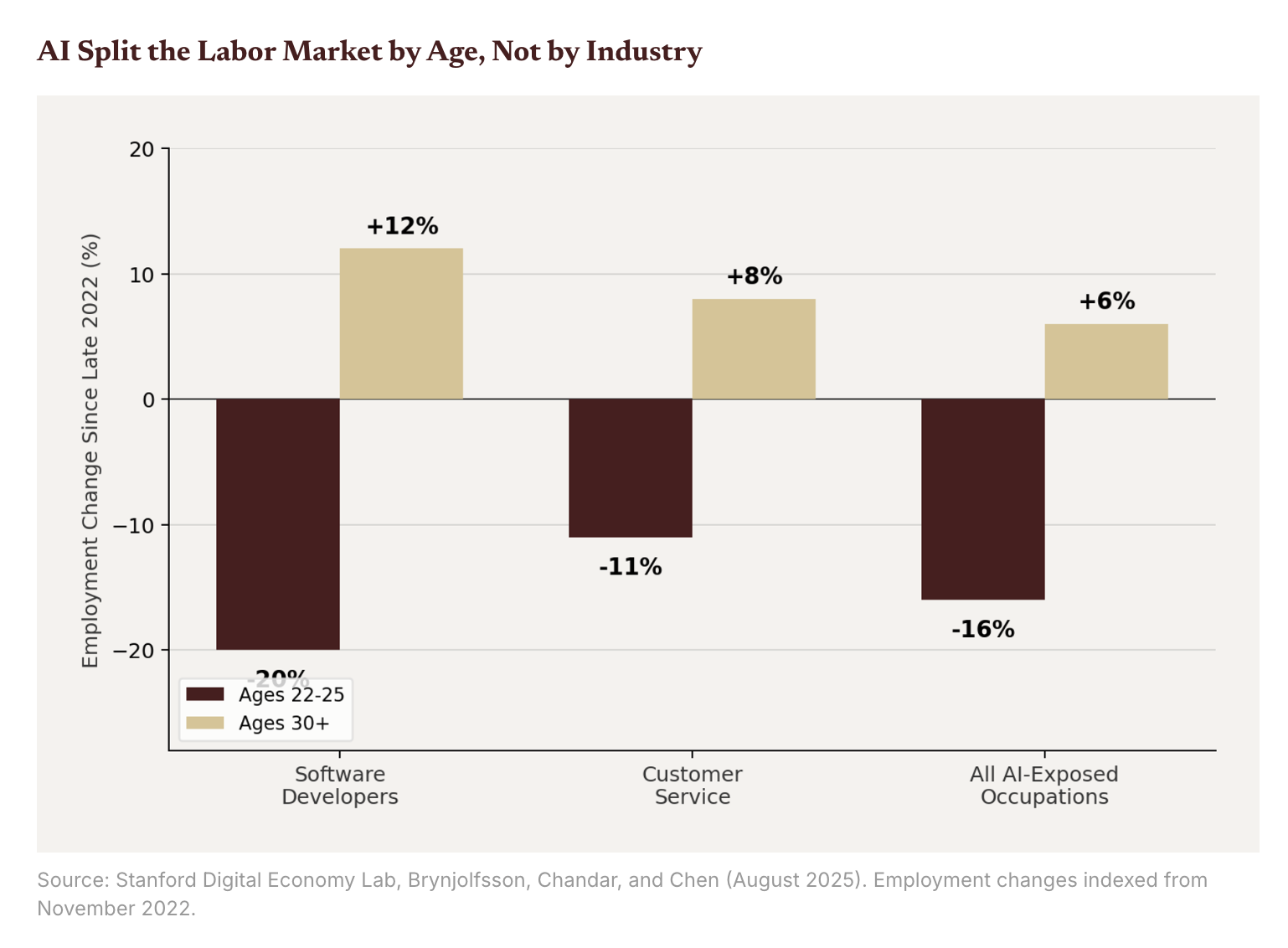
AI Is Closing the Door on Entry-Level Work
Research out of Stanford shows AI is reshaping hiring faster than the labor market can adjust. Since late 2022, employment for workers aged 22-25 has declined across AI-exposed roles like software development and customer service, while older workers have continued to see gains. As companies use AI to handle routine tasks, they are pulling back on entry-level hiring and relying more on experienced workers, leaving fewer pathways for young people to enter the workforce.
Technology will keep advancing, and the systems around it need to adapt just as quickly. As AI-driven productivity reduces access to early-career roles, ensuring Americans can still participate in economic growth will be critical. Universal Income is a clear path forward, providing stability and ensuring the gains from AI reach Americans nationwide.

The AI Economy Is Expanding. Who Benefits?
A new report highlights how AI leaders are beginning to confront the economic impact of rapid technological change. As artificial intelligence drives new productivity, concerns are growing about job disruption and the concentration of wealth among a small group of companies and investors.
Technology will keep advancing, but the systems around it need to adapt just as quickly. As AI-driven growth outpaces traditional income structures, ensuring Americans benefit from economic growth will be critical. A Universal Income is a clear path forward, providing stability and ensuring the gains from AI reach Americans nationwide.

China’s AI Challenge Is Becoming an Economic Reality
A new report highlights growing pressure inside China as artificial intelligence begins to reshape its economy. Slowing growth, deflation, and rising automation are forcing leaders to confront a difficult reality. As jobs become less stable and traditional industries weaken, even a system built on control may need to expand its social safety net to maintain stability.
Technology will keep advancing, but the economic systems around it need to adapt just as quickly. When AI-driven productivity outpaces job creation, households feel the impact first. A Universal Income would help provide a foundation of financial stability, ensuring people can navigate economic shifts as the workforce continues to evolve.

As AI Accelerates, Concerns About Jobs and Inequality Grow
Entrepreneur and investor Roger Montgomery is warning that artificial intelligence is advancing faster than society is prepared to handle. As AI capabilities grow, concerns are rising about its potential to disrupt jobs, concentrate economic power, and outpace the systems meant to manage its impact.
Technology will continue to move forward, but economic structures need to keep up. As AI drives new levels of productivity, ensuring those gains are more widely shared will be critical. A Universal Income would help provide stability as the economy adjusts, ensuring households are not left behind as these changes unfold.

HSBC Plans Tens of Thousands of Job Cuts as AI Changes Banking
HSBC is reportedly considering cutting around 20,000 jobs as artificial intelligence reshapes banking operations. HSBC, led by CEO Georges Elhedery, is simplifying its structure and trimming roles to boost efficiency. These planned reductions highlight a broader trend: AI is moving from experimentation to real workforce disruption.
Technology should continue to advance, but economic systems must keep pace. An AI-driven Universal Income would help ensure the gains from automation reach households, protecting workers as the labor market evolves.
Andrew Yang Warns AI Could Trigger Mass Job Displacement
Entrepreneur and former presidential candidate Andrew Yang is raising new concerns about how quickly artificial intelligence will reshape the labor market. As companies move beyond testing AI and begin integrating it into core operations, Yang warns that large-scale job displacement could arrive faster than many policymakers expect.
Innovation should continue, but economic systems need to keep pace with technological change. Yang has argued that part of the wealth created by AI-driven productivity should be redirected back to the public through a Universal Income. As the workforce evolves, ensuring that the gains from automation reach households, not just technology owners, will be critical.
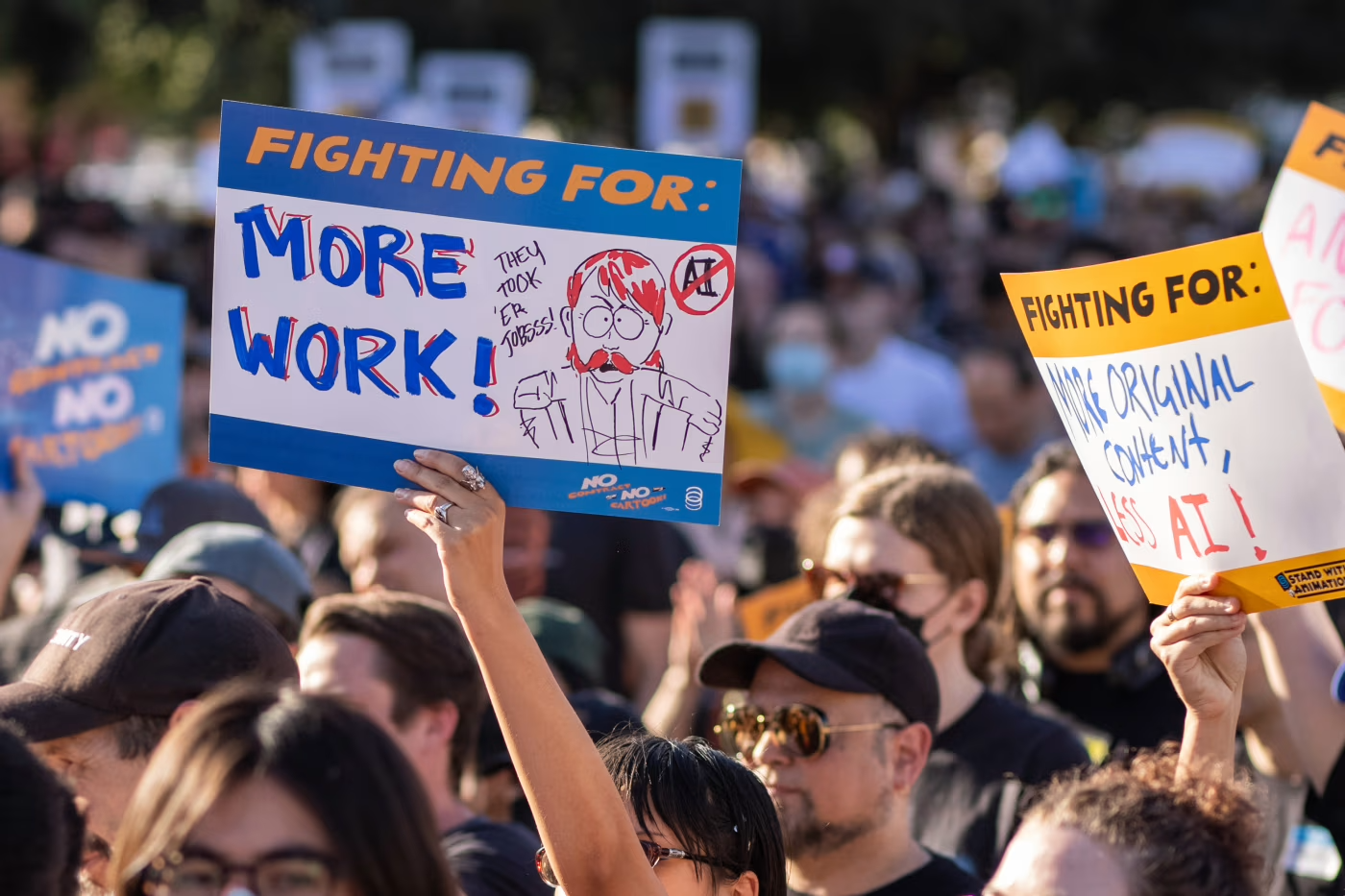
AI Layoffs Are No Longer Theoretical
A recent report is sounding new alarms about what artificial intelligence could mean for the job market. Companies are beginning to openly link layoffs and restructuring to AI adoption, suggesting the shift from experimentation to real workforce disruption may already be underway. What once sounded like a distant concern is starting to show up in corporate decisions about how many workers companies actually need.
Technology should continue to advance, but when productivity gains arrive faster than economic systems can adapt, workers absorb the shock. An AI dividend trust fund that supports a Universal Income would help ensure the economic gains from AI strengthen household stability as the labor market evolves. If the warning signs are already appearing, policy should not wait to respond.